THE JOY PROJECT
 

CONSERVATION & RESTORATION C.2021

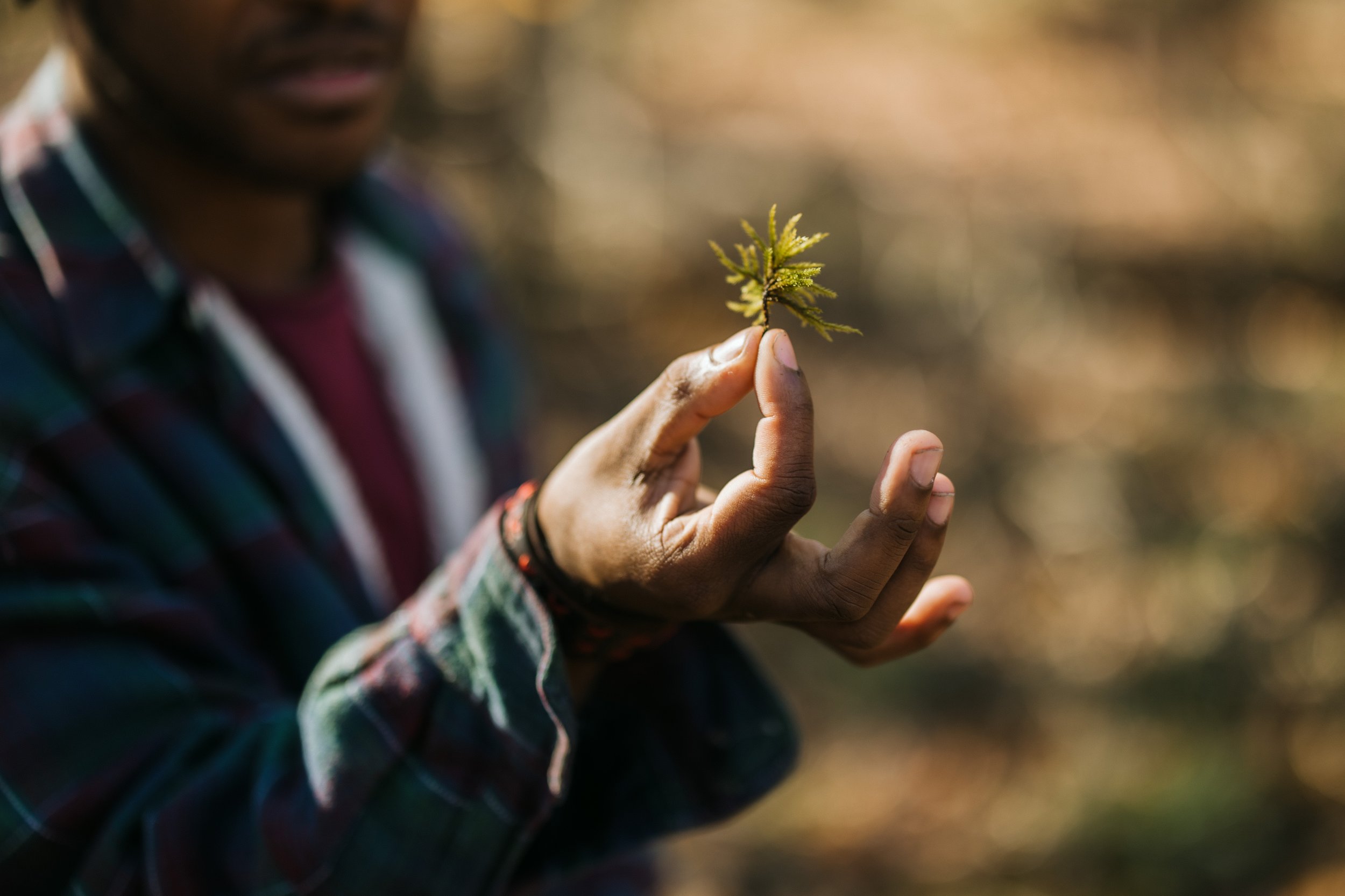
Helping the land truly thrive meant continually removing invasive plant species. To do that, we first had to learn how to identify them, so once again we turned to mentors for guidance. A team from the University of Michigan walked us through the process, helping us understand which plants were native to the area—and which were not. That knowledge allowed us to systematically remove invasive species. From there, we worked with a native landscape specialist to reintroduce native plants to the meadowlands and forest interior, restoring balance to the land over time.
 
 
TheJoyProject-192.jpg


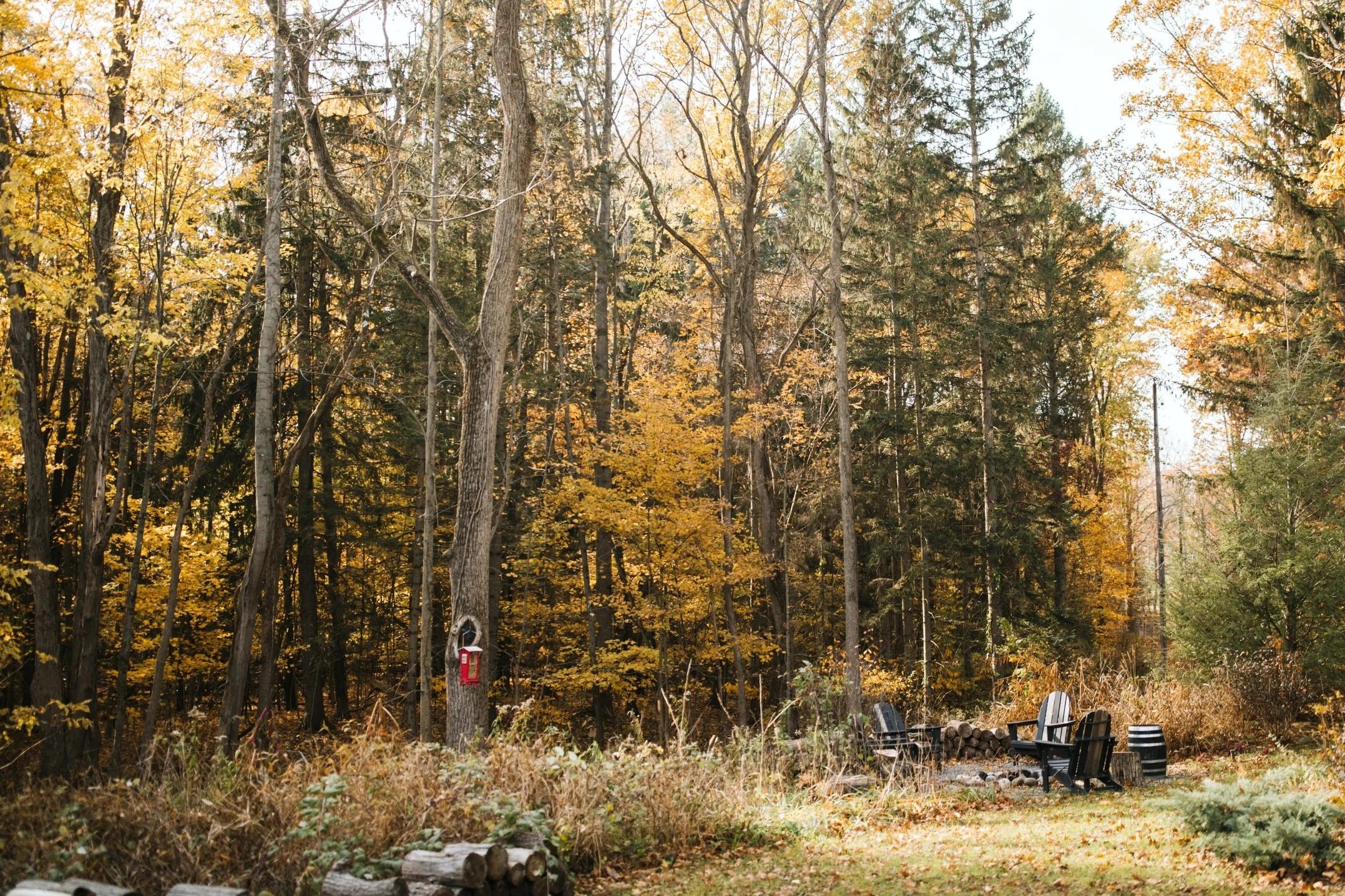
In a native Michigan woodland, controlling invasive plants like burning bush, multiflora rose, and Asian bittersweet is essential to the health of the forest as a whole. Though they may appear harmless—or even beautiful—these species spread aggressively, crowding out native plants and disrupting the delicate balance that woodland ecosystems depend on.

Left unchecked, they form dense thickets that limit light, reduce biodiversity, and make it difficult for native trees, wildflowers, and understory plants to regenerate. Thoughtful, ongoing removal creates space for the forest to breathe again, allowing native species to reclaim their role and ensuring the woodland can thrive for generations to come.

Controlled burns play an important role in maintaining a healthy, resilient forest. Carefully managed fire helps clear built-up leaf litter and invasive growth, returning nutrients to the soil and allowing sunlight to reach the forest floor. Many native plants have evolved alongside fire and rely on it to germinate, regenerate, and thrive. When used thoughtfully, controlled burns support biodiversity, reduce the risk of more destructive wildfires, and help restore natural balance to the woodland landscape.


the native meadow

〰️

the native meadow 〰️

the native meadow

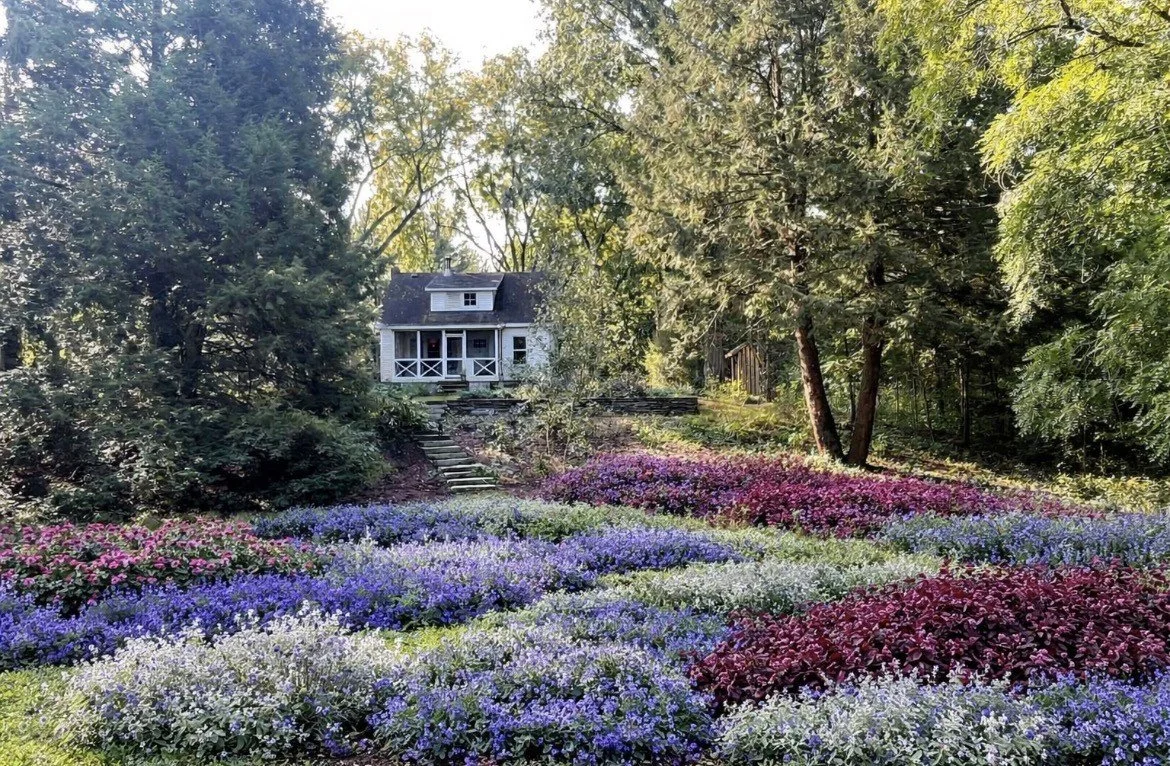
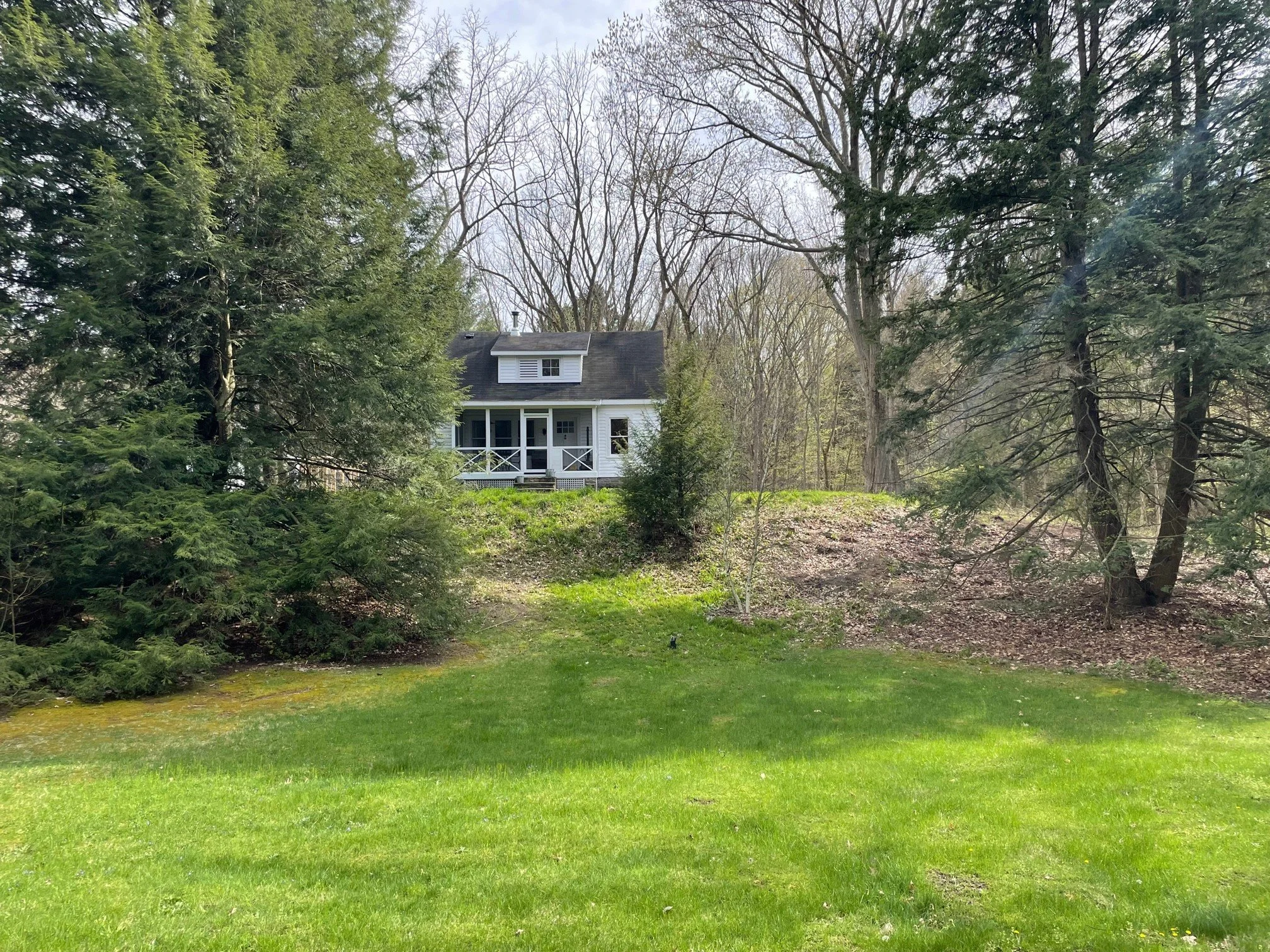
The land in front of the cabin fell away in a steep slope, covered by nearly an acre of cultivated bluegrass—a plant that never truly belonged to this part of southwest Michigan. We imagined something more in tune with the land: a native meadow, anchored by a stone wall and staircase built from local stone.

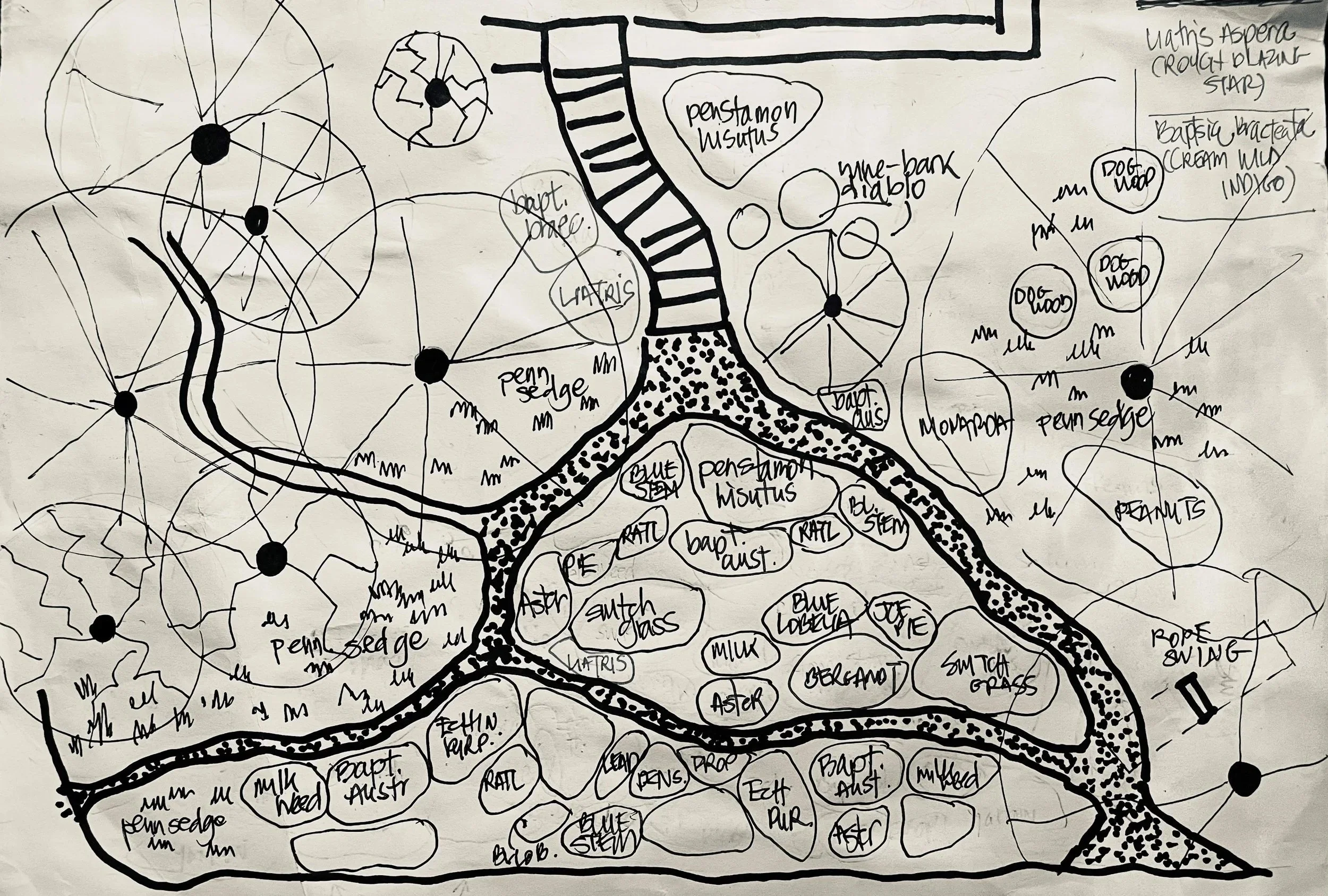
Over time, the hillside will fill with native grasses and wildflowers—Pennsylvania sedge, blue wild indigo, smooth blue aster, spotted Joe Pye weed, rattlesnake master, hairy beardtongue, bergamot, little bluestem, and purple coneflower. The palette was chosen to echo the surrounding landscape while adding a quiet, painterly beauty of its own. The image above offers an artistic glimpse of how the meadow will look once it reaches maturity.