THE JOY PROJECT
 

MAPLE SUGARING

C.2021

In a fast-paced world, it’s easy to lose touch with the simple joy of working with our hands and spending time outdoors. Maple sugaring has brought me back to both—offering not only that sense of joy, but also a delicious, natural sweetener.
 
 
TheJoyProject-285.jpg

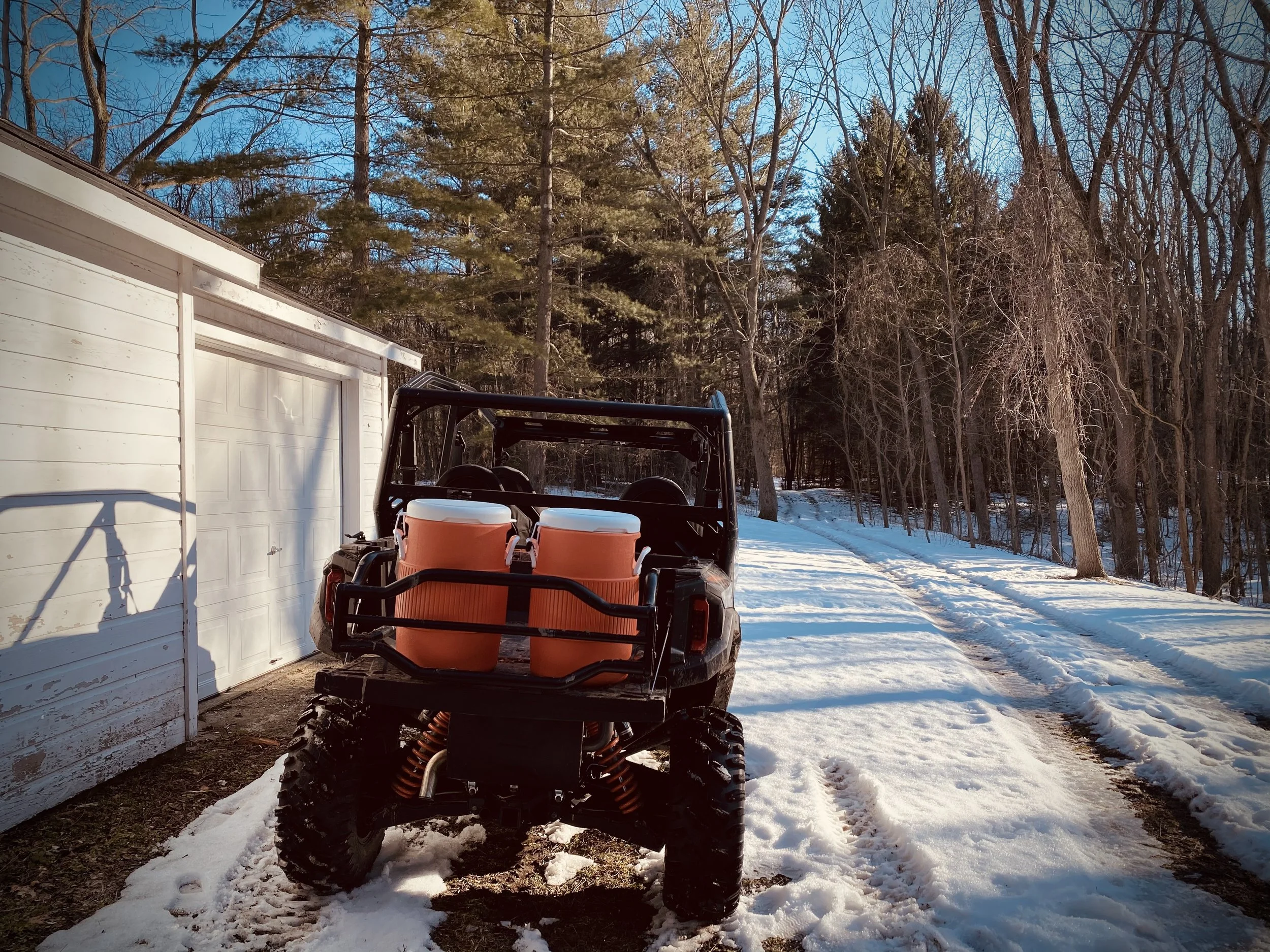
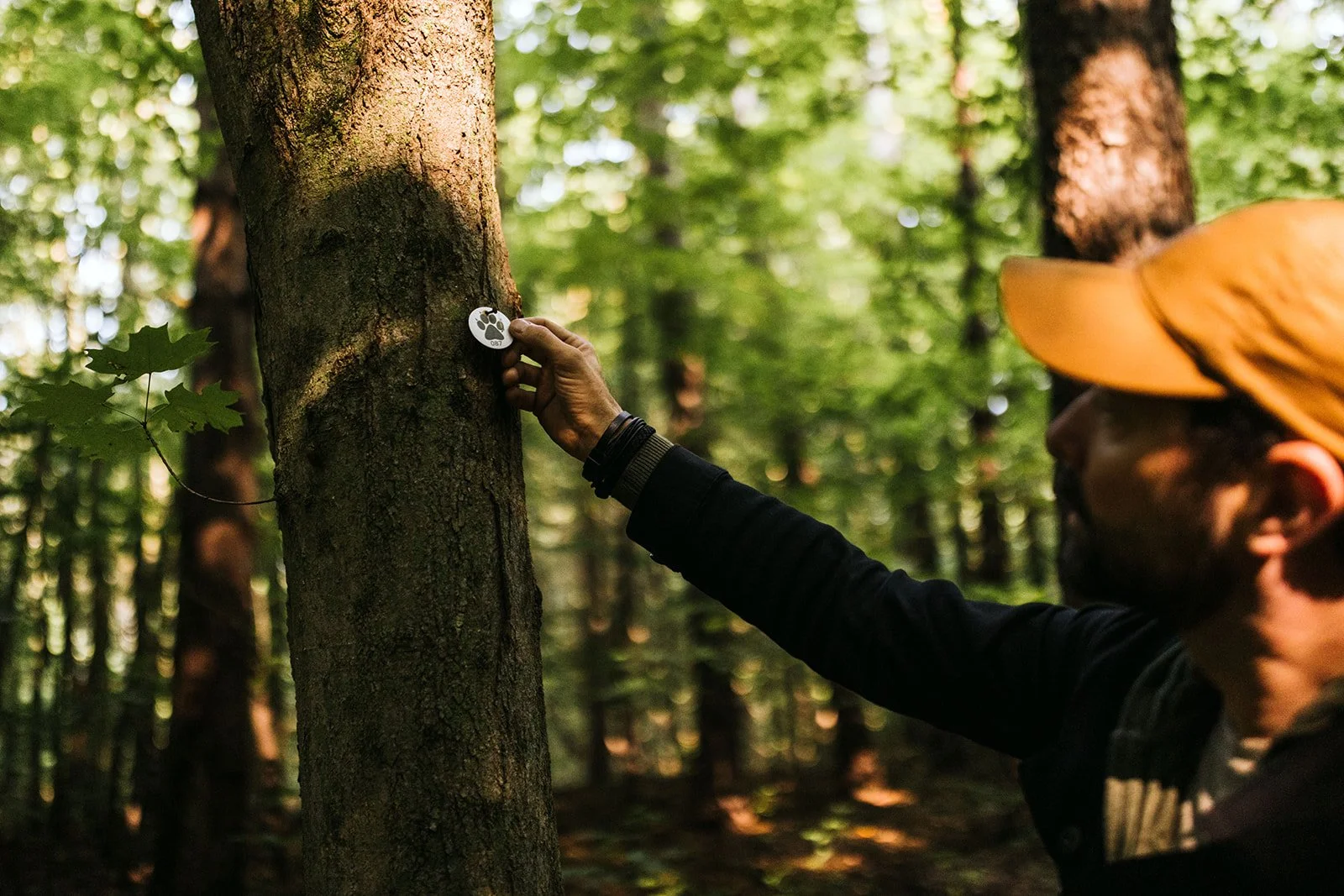
Sugaring begins with identifying the maple trees. We located, labeled, and tapped more than 175 trees—mostly sugar maples, along with a handful of red and silver maples. While red and silver maples have a lower sugar content, they still produce a delicious syrup.

It takes roughly 40 gallons of sap to produce just one gallon of syrup. Because of the high heat—and the sticky condensation created as the water evaporates—the boil-down has to happen outdoors or in a separate structure, often called a sugar shack.

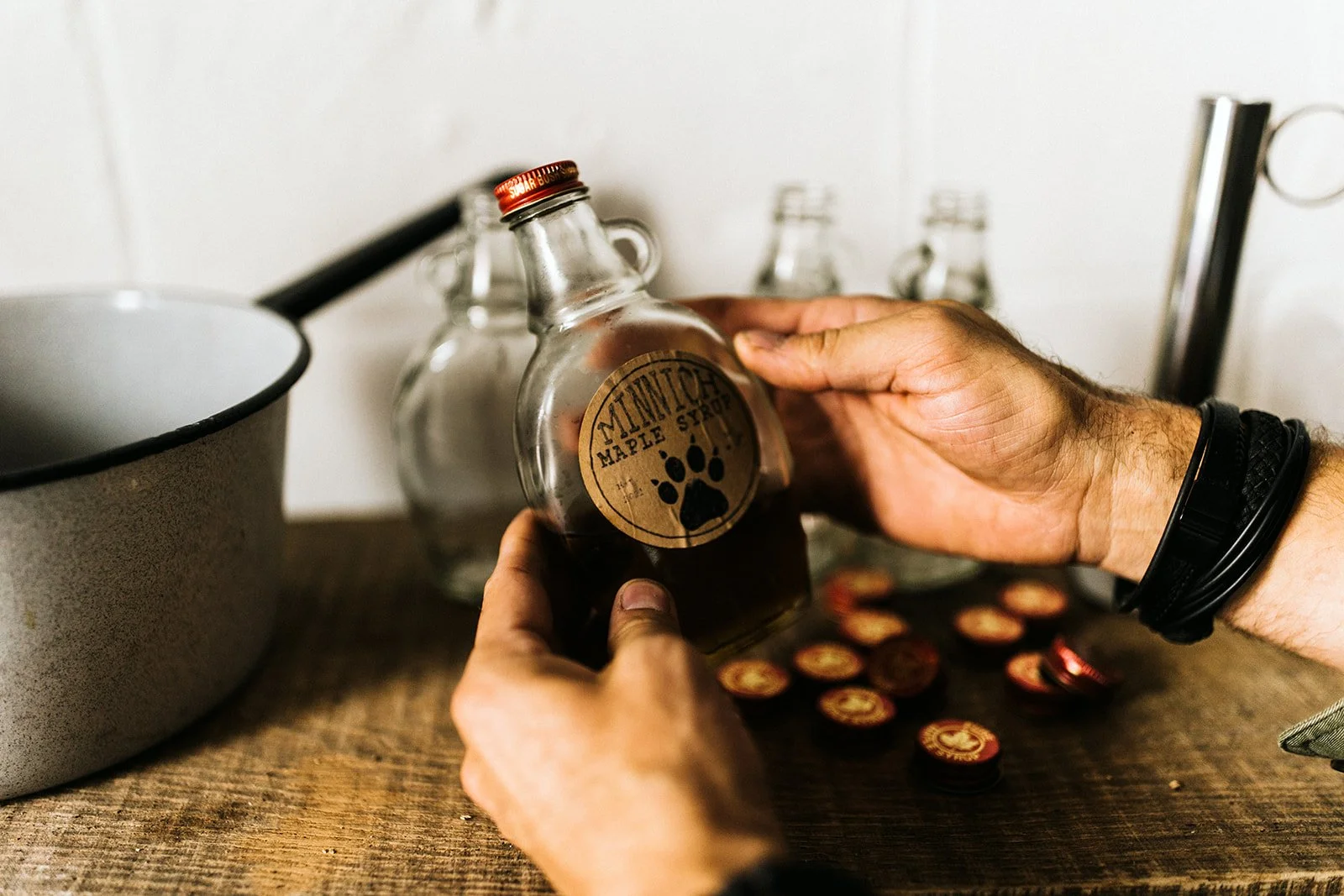
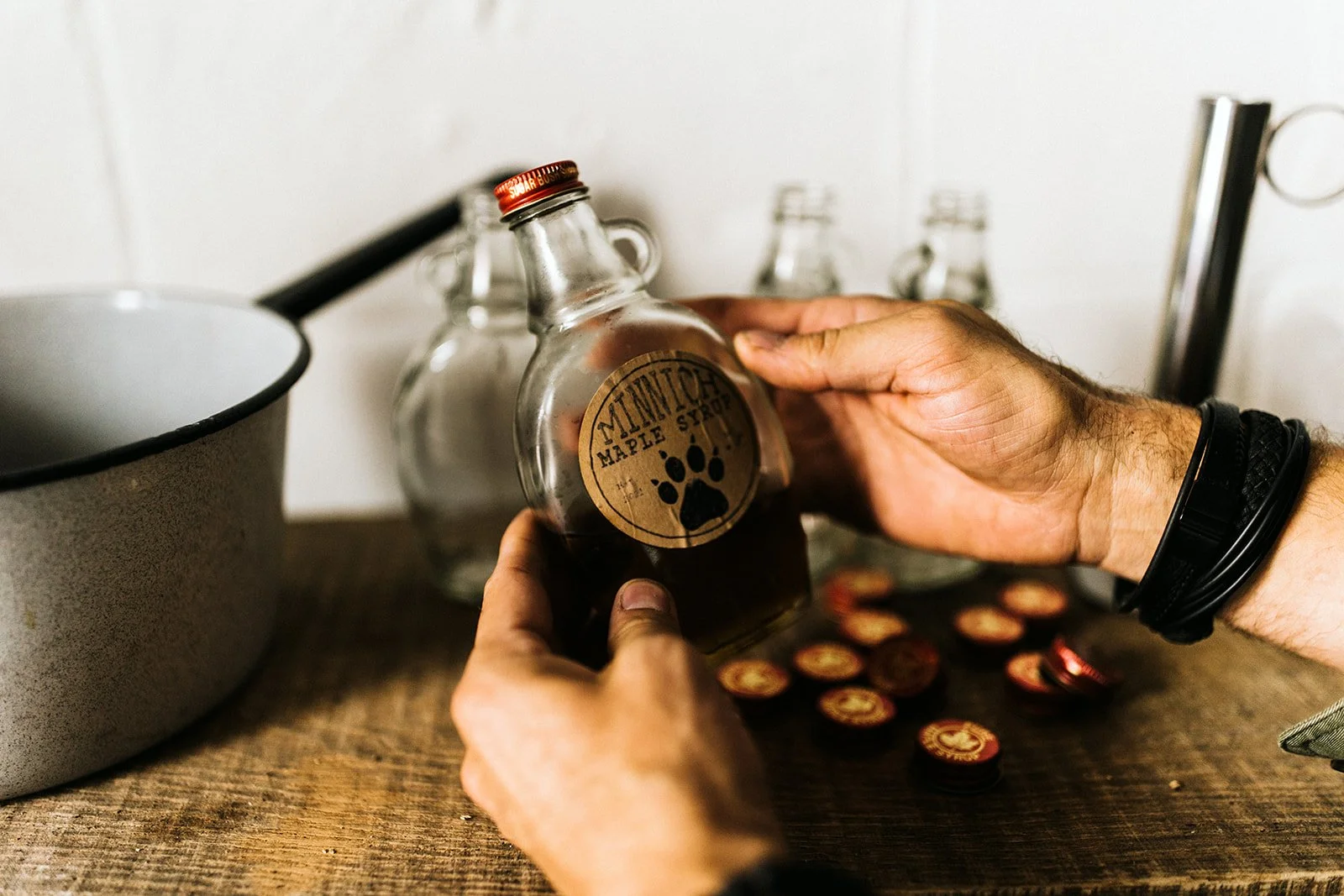
There’s a quiet satisfaction in pouring syrup you made yourself—sap gathered by hand, boiled down slowly, and bottled with care. Knowing exactly where it came from and the work that went into it makes even the simplest breakfast feel special. It’s a small, sweet reminder that patience, effort, and time spent outdoors can turn into something both nourishing and joyful.


Building a Sugar Shack

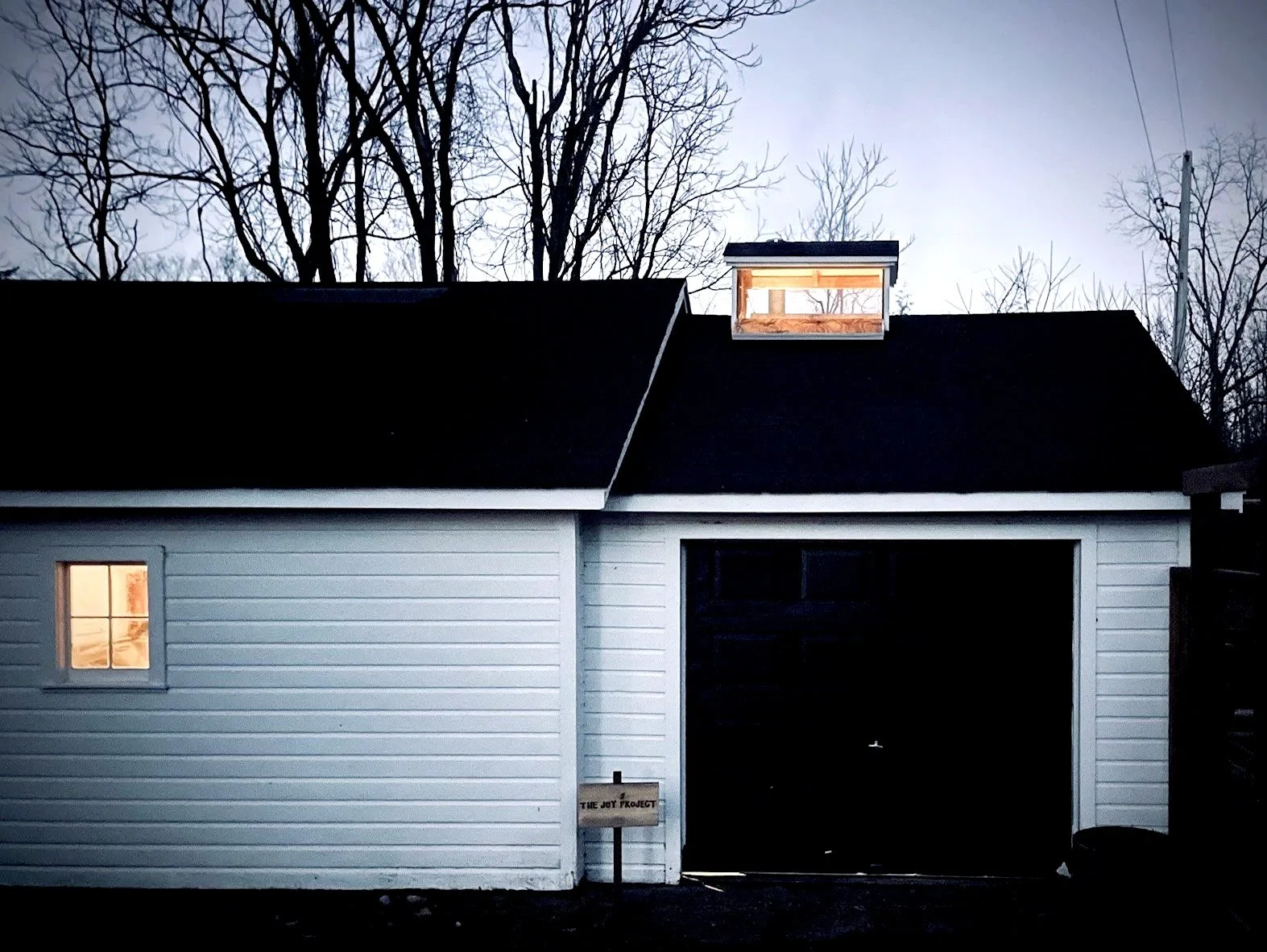
the sugar shack

We reused part of one of the original outbuildings as our sugar shack, where the maple sap is processed. As the sap evaporates, a great deal of steam builds up, so we added a traditional cupola with doors that can be opened while the evaporator is running, allowing the space to breathe as the syrup takes shape.

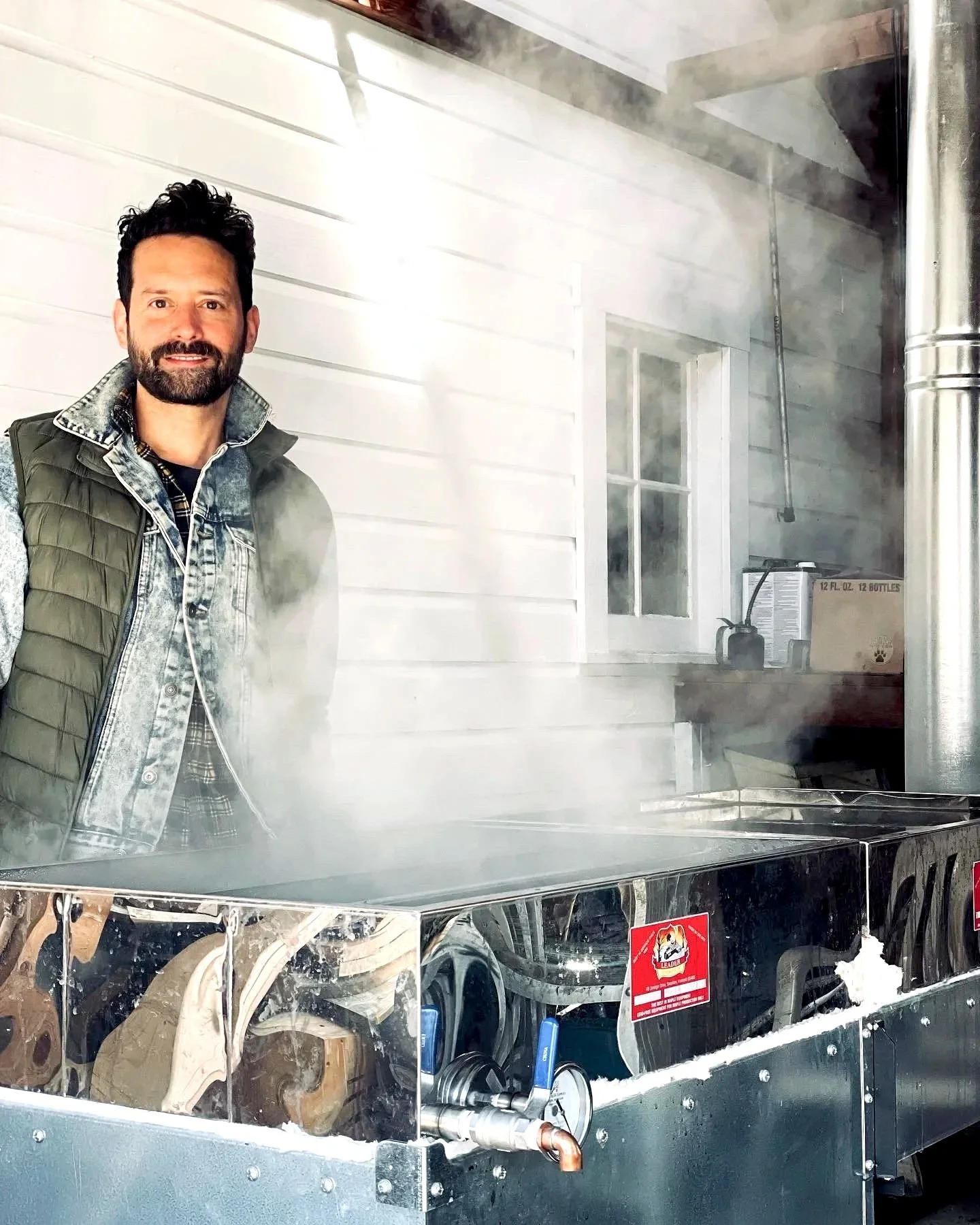
the evaporator

We learned a lot during our first year of making maple syrup—mainly that it takes a surprising amount of sap to produce even a small batch, and that boiling off all that water takes time. In our second year, we upgraded to a half-pint evaporator powered by a propane burner and a larger surface area. The new setup made the process far more efficient, cutting down the long hours spent outside on cold February and March evenings.

filter & bottle

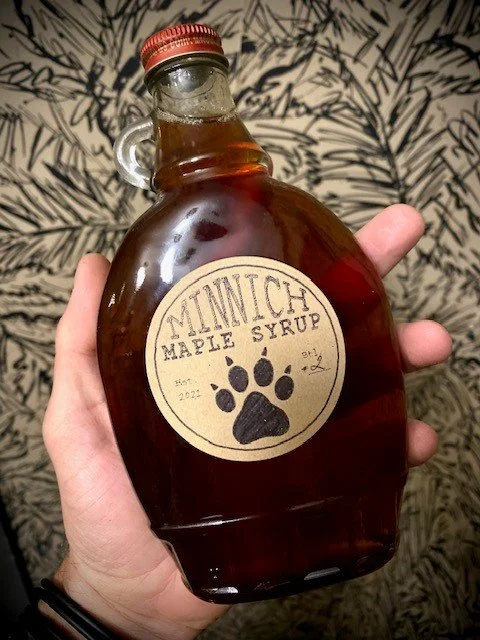
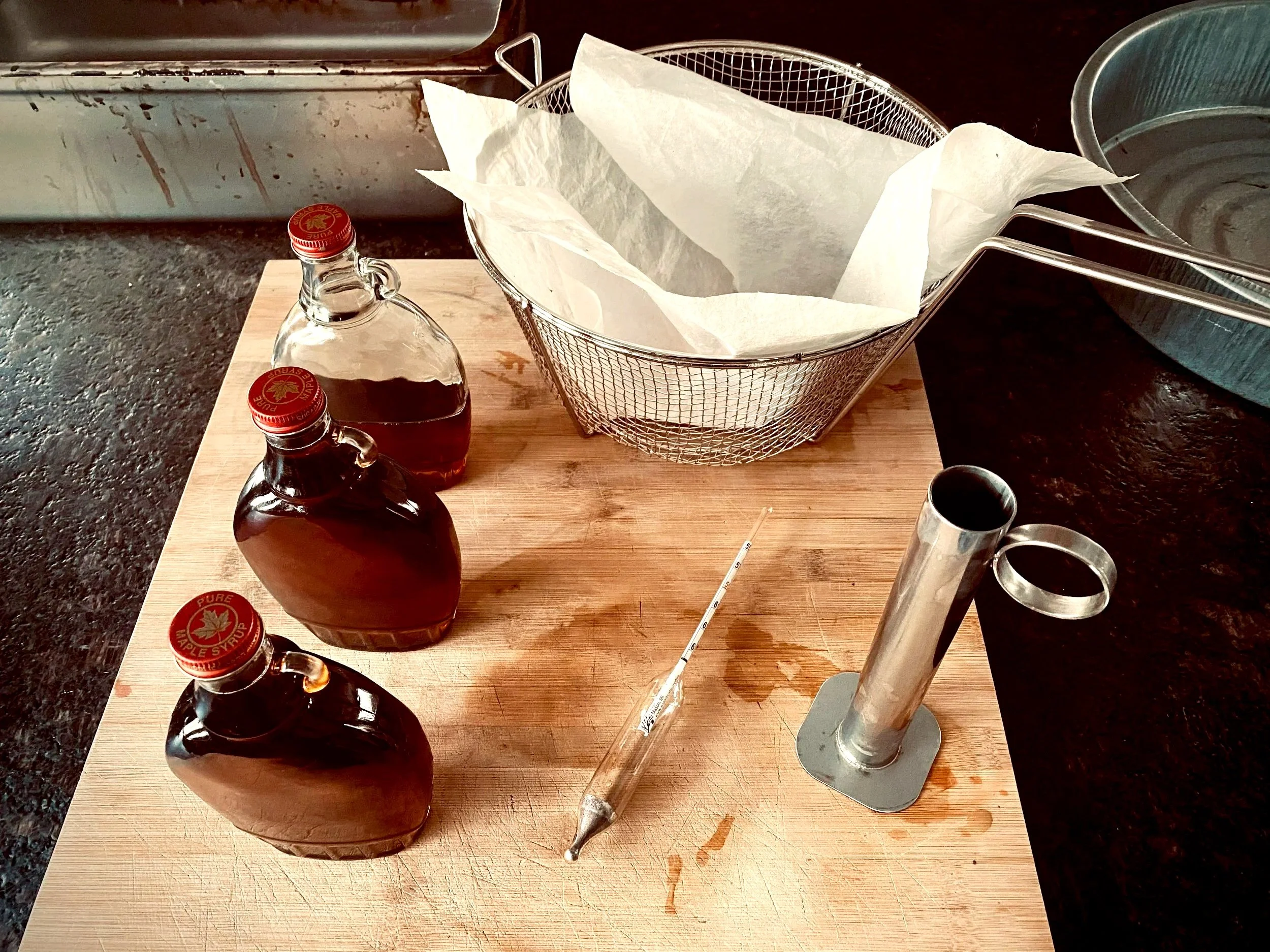
Once the boiling sap hits 219 degrees, it’s time for the best part—bottling the syrup. After a two-step filtering process to remove any impurities, the syrup is poured into bottles while still warm, sealing in all that hard-earned sweetness and marking the final step from tree to table.